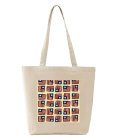
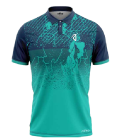
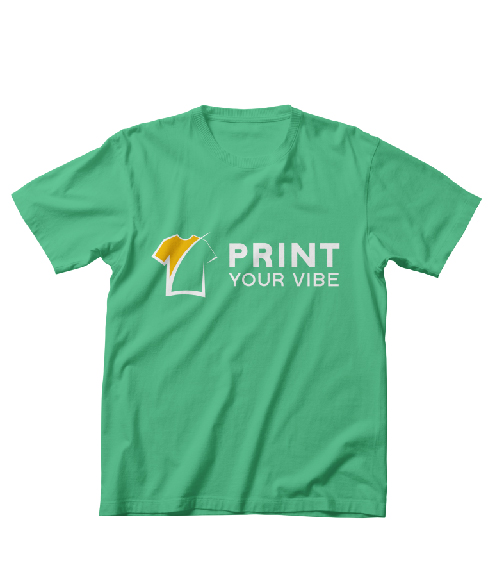
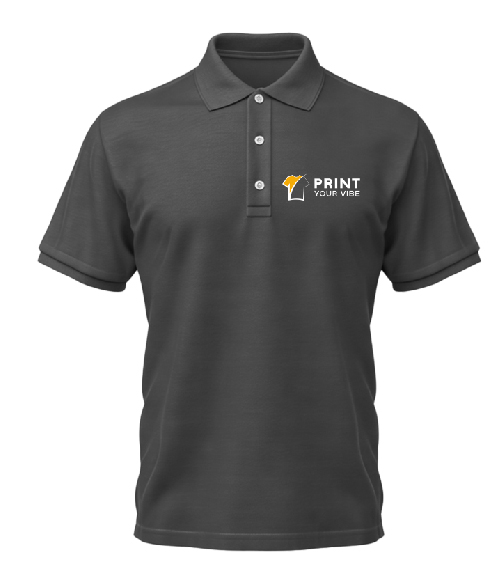
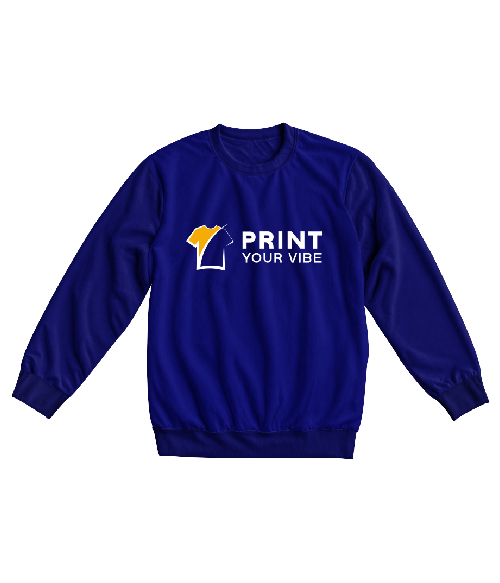
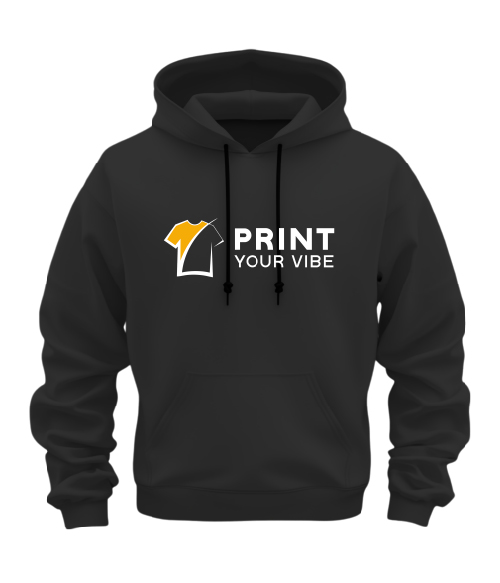
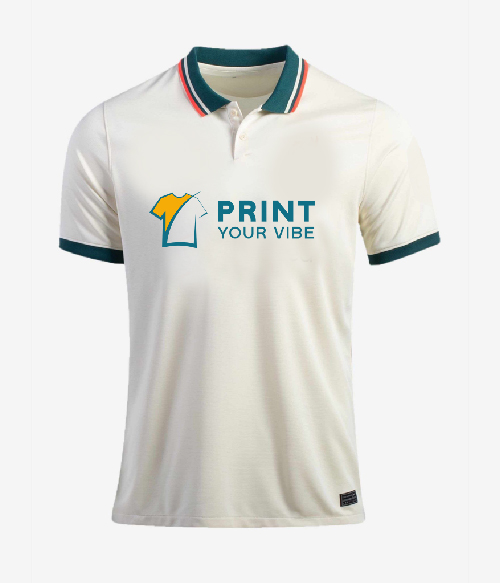
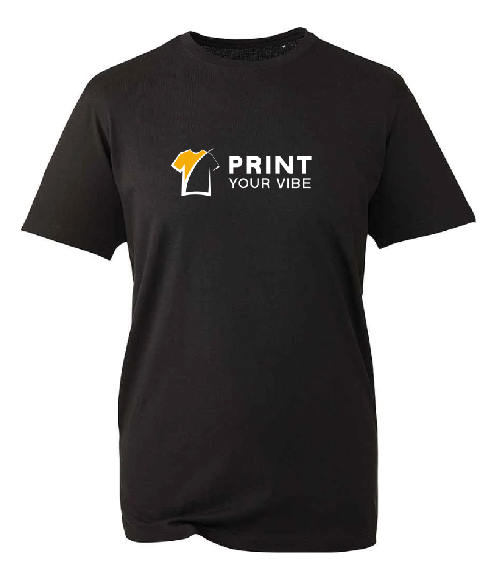






If you've typed "where to get tee shirts printed" into Google, you're probably staring down one of two problems. Either you need a handful of shirts for a birthday, a stag do or a small side project, or you're trying to work out how to print dozens (maybe hundreds) of tees for a business, school, club or event without overpaying or getting stuck with poor quality.
Either way, the UK printing market is crowded. There are print-on-demand platforms, local shops with a single heat press in the back room, and specialist studios running DTF, DTG, screen printing and embroidery side by side. Picking the wrong one means paying more than you should, waiting longer than you expected, or receiving shirts that crack and fade after two washes.
This guide walks through exactly where you can get tee shirts printed in the UK, how the different printing methods compare, what actually drives pricing, and what questions to ask before you commit. By the end, you'll know precisely what to look for — and where Print Your Vibe fits into that picture.
Where Can You Get Tee Shirts Printed in the UK?
You can get tee shirts printed through three main routes in the UK: print-on-demand platforms, local high street print shops, and dedicated custom printing studios like Print Your Vibe.
Print-on-demand platforms are fully automated — you upload a design, they print and ship, and you never speak to a human. They're fine for one-off novelty items but offer little control over garment choice, colour matching or print method. Local print shops are often small operations offering a limited range of blanks and a single printing technique, usually vinyl or basic DTF. Dedicated custom printing studios sit between the two: they combine the speed of digital ordering with real quality control, multiple printing methods under one roof, and actual people you can talk to about your project.
For anyone printing more than a couple of shirts, or who needs the print to actually last, a specialist studio is almost always the better route. That's where a proper Custom Printed Tees service earns its keep — you get garment selection, colour matching, and a printing method chosen specifically for your design rather than whatever the machine defaults to.

Online Printing Companies vs Local Print Shops
The main difference between online printing companies and local print shops is control: online specialists typically offer more printing methods, better garment ranges and dedicated support, while local shops win on convenience for very small, simple jobs.
Choose an online printing company when:
- You need more than 10–15 shirts
- Your design has gradients, photographic elements, or multiple colours
- You want a choice between DTF, DTG, screen printing or embroidery
- You need consistent quality across a large batch
- You want proofs and artwork checks before printing
Choose a local print shop when:
- You need 1–5 shirts with a very simple design
- You want to walk in and collect same day, no matter the finish
- Budget matters more than print longevity
The trade-off is real. A local shop with one heat-transfer machine can't match the durability of screen printing on a 50-shirt club order, and it won't have embroidery equipment for polos or workwear. Online specialists with an actual production floor — like Print Your Vibe — can move between methods depending on what your job actually needs, which is where most of the value sits once your order grows beyond a handful of shirts.
Why London Printing Companies Are So Popular
London printing companies are popular because the city concentrates demand from startups, events, universities, sports clubs and corporate offices, which pushes local printers to offer faster turnarounds, wider garment ranges and more competitive pricing than smaller regional operators.
East London specifically has become something of a hub for custom garment printing, partly because of its proximity to fashion and creative industries, and partly because businesses here need quick access to reliable t shirt printing London services without the delays that come with sending artwork to a printer three counties away.
There's also a practical logistics angle. A London-based printer can offer local collection, same-day options, and courier delivery across the capital within hours — something a printer based further out simply can't replicate for London-based clients on tight deadlines.
Same-Day T-Shirt Printing: When It Makes Sense
Same-day t-shirt printing makes sense for last-minute events, small quantity orders, and simple one or two-colour designs — it's not typically viable for large bulk orders or complex multi-colour artwork.
If you've got a stag do tomorrow, a school sports day this afternoon, or a last-minute team photo, same-day printing solves a genuine problem. Most printers offering this service use DTF or vinyl, since screen printing requires screen setup time that simply doesn't fit into a same-day window for anything beyond very small runs.
Realistically, same-day slots work best for:
- Orders under 20–30 units
- Single or dual-colour designs
- Standard garment colours held in stock
If your order is bigger or more complex, it's worth being upfront about your deadline early rather than assuming same-day is always possible — a good printer will tell you honestly whether it's achievable. Same Day Printing works best when you get artwork over first thing and confirm stock availability before committing to a same-day promise.
Need shirts printed fast? Get a same-day quote today.
Get a QuoteMinimum Order Quantities Explained
Minimum order quantities (MOQs) exist because certain printing methods — particularly screen printing — involve setup costs that only make financial sense above a certain volume, whereas DTF and DTG can be cost-effective even for single items.
This is one of the most misunderstood parts of custom printing. A screen printer has to burn a screen for each colour in your design before a single shirt gets printed — that setup cost gets spread across your order, which is why screen printing MOQs often start around 20–25 units. DTF and DTG don't require screens, so they can be priced per item even for orders of one.
| Method | Typical MOQ | Best For |
|---|---|---|
| DTF | 1+ | Small orders, detailed designs |
| DTG | 1+ | Photographic prints, single items |
| Screen Printing | 20–25+ | Large bulk orders, solid colours |
| Embroidery | 1+ (varies by setup) | Polos, workwear, logos |
If you're only after a handful of shirts, don't let "bulk pricing" language put you off — DTF printing gets you low per-unit costs without needing to hit a large MOQ.
Customisation Options to Look For
The customisation options worth checking before you order are garment type, colour range, print placement, print size, and finishing details like labels or hems.
- Garment style — standard tee, oversized, fitted, or heavyweight
- Colour — across the full range the blank manufacturer offers, not just black and white
- Placement — front, back, sleeve, or all three
- Print size — small chest logo through to full-front oversized graphics
- Finishing — woven labels, custom neck tape, or care label printing for brands
If you're building a fashion label rather than printing a one-off batch, ask specifically about label and packaging options — this is where a printer with real garment decoration experience differs from a basic transfer shop.
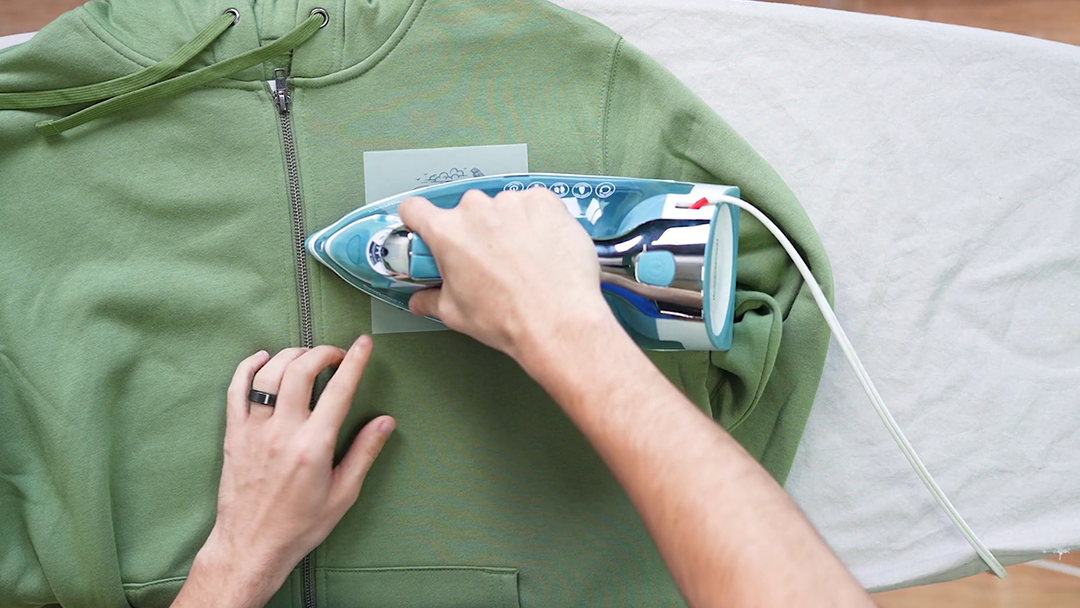
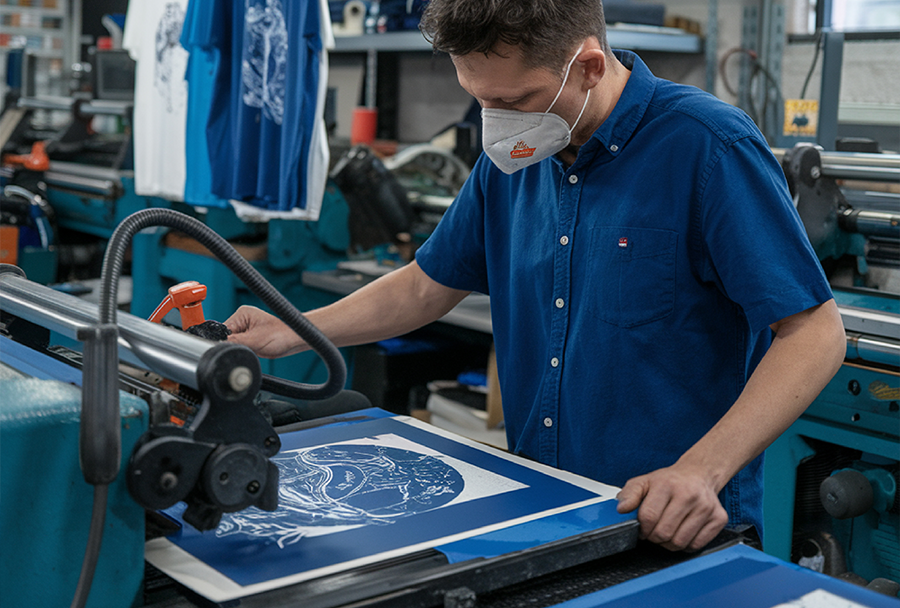
Printing Methods Explained
There are four main custom garment printing methods used in the UK: DTF (direct-to-film), DTG (direct-to-garment), screen printing, and embroidery — each suited to different design types, fabrics and order sizes.
Understanding these upfront saves you from choosing the wrong method and being disappointed with the result. A photographic design printed via screen printing will look flat and lose detail. A large block-colour team logo printed via DTG on a dark shirt will need heavy pre-treatment and can feel stiff. Knowing which method suits your design is genuinely the difference between a print that lasts and one that peels after a few washes.
DTF vs DTG vs Screen Printing vs Embroidery
DTF offers the best balance of durability, colour vibrancy and low minimum order quantities, DTG suits photographic detail on light fabrics, screen printing is most cost-effective for large solid-colour bulk orders, and embroidery gives the most premium, durable finish for logos on workwear and polos.
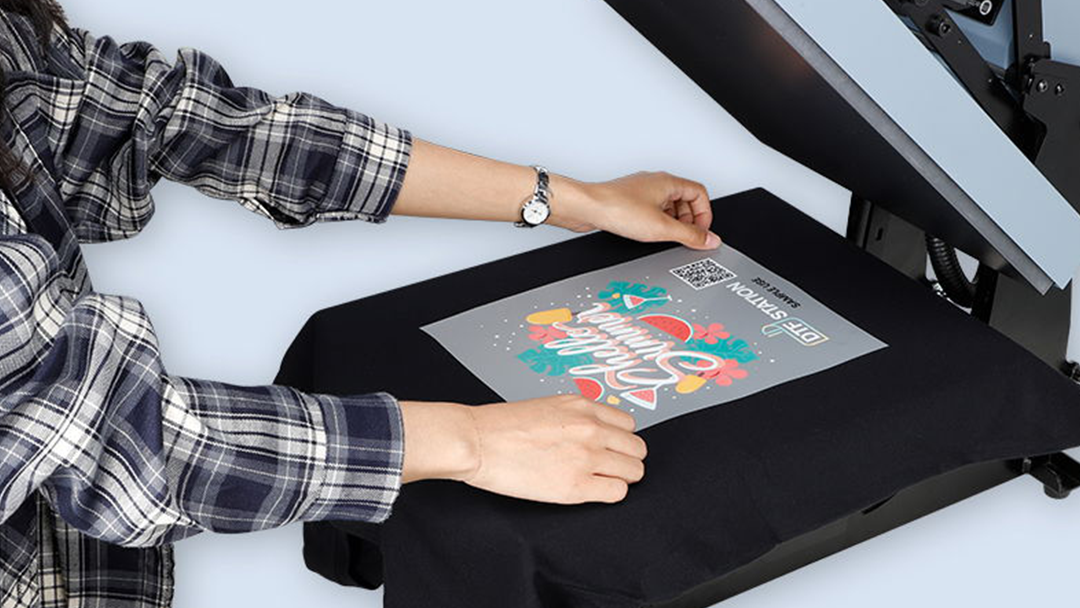
DTF Printing (Direct-to-Film)
Ink is printed onto a film, then heat-pressed onto the garment. Works on virtually any fabric colour or type, holds vibrant colour well, and doesn't require large order quantities. It's become the go-to method for most custom tee orders in the UK because it balances quality, cost and flexibility better than almost any other technique.
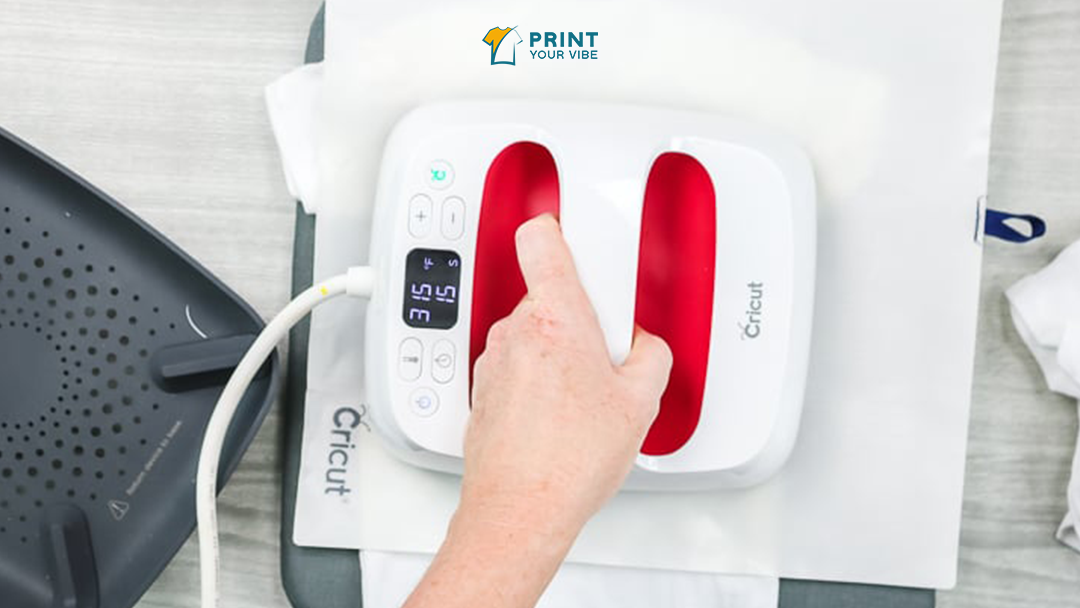
A quick expert tip: correct peel timing and pressure during application is what separates a transfer that lasts years from one that starts cracking after a handful of washes — it's a detail worth asking your printer about.
DTG (Direct-to-Garment)
Ink is printed directly onto the fabric, similar to an inkjet printer. Excellent for photographic and highly detailed designs on light-coloured 100% cotton garments, but less effective on dark fabrics or blended materials.
Screen Printing
Ink is pushed through a mesh screen stencil, one screen per colour. Extremely cost-effective at high volumes with solid, flat colours — think club kits, event merchandise, festival tees. Less suited to complex, multi-colour or gradient artwork.
Embroidery
Thread is stitched directly into the fabric. The most durable and premium-looking option, ideal for logos, workwear, polos and caps. Not suitable for large or highly detailed graphics, but unmatched for a professional, long-lasting finish.
There's no single "best" method — the right choice depends on your design, garment, budget and quantity. A printer who pushes you towards whichever method they happen to specialise in, rather than what actually suits your job, isn't giving you good advice.
What Actually Affects Pricing
T-shirt printing prices in the UK are driven by five factors: printing method, order quantity, number of design colours or complexity, garment quality, and turnaround speed.
- Method — embroidery and DTG per-unit costs differ significantly from DTF and screen printing
- Quantity — per-unit price drops as order size increases, especially with screen printing
- Design complexity — multi-colour or multi-placement designs cost more to produce
- Garment quality — a premium heavyweight blank costs more than a budget tee, but holds print and shape far better
- Speed — rush and same-day orders typically carry a premium
Be wary of quotes that seem unusually low — they often mean a thinner garment, a lower-grade ink, or a print method that won't survive repeated washing.
Turnaround Times
Standard t-shirt printing turnaround in the UK typically ranges from 3–7 working days, with same-day or next-day options available for smaller, simpler orders at most specialist printers.
Turnaround depends on method (screen printing needs setup time), order size, and how quickly you approve artwork proofs. If you're working to a fixed event date, build in a buffer — confirm your deadline with the printer directly rather than assuming standard turnaround will always apply during busy periods like exam season, Christmas, or summer festival months.
Artwork Requirements
Good print-ready artwork should be a high-resolution vector file (AI, EPS or PDF) or, at minimum, a 300 DPI PNG with a transparent background, sized correctly for the intended print area.
If you're not a designer, don't worry — most established printers, Print Your Vibe included, will check your file before printing and flag any resolution or colour issues. Common problems worth avoiding:
- Low-resolution images pulled from social media or Google
- Designs with no transparent background where one's needed
- Text converted to outlines missing, causing font substitution issues
- Colours specified in RGB rather than CMYK or Pantone for accurate matching
A quick artwork check before production starts saves reprints and delays later.
Garment Quality
Garment quality is determined by fabric weight (GSM), fibre content, and construction — heavier, well-constructed blanks hold prints better, resist shrinkage, and last significantly longer than budget alternatives.
A 220–240 GSM heavyweight cotton or cotton-blend tee will hold a DTF or screen print far more reliably over repeated washes than a thin 140 GSM budget blank. This matters more than most people expect — the print is only ever as good as the garment underneath it. A premium printer sources from established garment manufacturers rather than unbranded bulk suppliers, which is part of what separates a shirt that looks good for one wear from one that still looks sharp a year later.
Eco-Friendly Printing Options
Eco-friendly printing options include organic and recycled cotton garments, water-based inks, and DTF printing, which typically produces less waste than traditional screen printing for smaller batch sizes.
More UK businesses and event organisers are asking about sustainability, and it's a fair question to raise with any printer. Ask specifically about:
- Organic cotton or recycled polyester blank options
- Water-based vs plastisol inks
- Packaging materials used for delivery
A transparent printer should be able to answer these questions directly rather than offering vague reassurances.
Bulk Discounts
Bulk t-shirt printing discounts typically apply from around 20–25 units upward, with per-unit costs dropping further at 50, 100 and 250+ quantities, particularly with screen printing and embroidery.
This is where bulk t shirt printing really pays off for schools, sports clubs, corporate teams and events. Setup costs — burning screens, digitising embroidery files — get spread across a larger run, meaning the marginal cost per shirt drops substantially. If you're planning a repeat order (staff uniforms, an annual event), ask whether your printer keeps your screens or digitised file on record, which can reduce setup costs on future reorders too.
Business Branding
Business branding through custom apparel works best when the printing method matches the use case — embroidery for polos and workwear that need to look sharp daily, DTF or screen printing for event tees and promotional giveaways.
Consistent branded clothing does real work for a business: it builds recognition at trade shows, creates a professional impression for client-facing staff, and gives teams a shared identity. For custom logo t shirts and staff uniforms, colour accuracy and logo consistency across every single garment matters far more than for a one-off event tee, so it's worth asking your printer how they maintain colour matching across repeat orders.
Event Printing
Event printing covers festivals, conferences, sports days, stag and hen parties, and community events, where fast turnaround and cost-effective bulk pricing usually matter more than premium garment finishing.
Events tend to have fixed, non-negotiable dates, which makes turnaround time the priority alongside price. Screen printing suits large event runs with a single design and one or two colours, while DTF handles smaller runs or designs with more detail and colour variation. Either way, confirm your final numbers and artwork early — event printing has a habit of coming down to the wire, and a printer who's upfront about realistic deadlines is worth more than one who just says yes to everything.
Promotional Clothing
Promotional clothing printing prioritises cost-per-unit efficiency and brand visibility, typically using simple one or two-colour designs across larger quantities to keep spend manageable.
Whether it's a giveaway at a trade show or branded merchandise for a marketing campaign, promotional printing is a volume game. Keeping designs simple — a logo, a strapline, minimal colours — keeps unit costs down while still delivering the branding impact you're after.
Workwear
Workwear printing and embroidery need to withstand frequent washing and daily wear, which is why embroidery and heavyweight garments are generally preferred over lighter printing methods for uniforms.
Staff uniforms go through far more washes than an event tee ever will, so durability has to come first. Embroidered logos on polo shirts, fleeces and outerwear hold up far better over months of use than a printed transfer. If budget or design detail rules out embroidery, DTF on a heavyweight garment is the next best option for withstanding regular industrial washing.
Personalised Gifts
Personalised gift printing works best with DTF or DTG, since both methods handle small quantities, photographic detail, and one-off names or dates without requiring a minimum order.
Birthdays, hen parties, family reunions, retirement gifts — personalised tees have become a genuine gifting category in their own right. Because these orders are usually one to a handful of shirts, DTF or DTG make far more financial sense than screen printing, which simply isn't designed for small runs. For personalised t shirts, the key is getting the artwork resolution right so names, photos or dates print crisp rather than pixelated.
Why Choose Print Your Vibe?
Print Your Vibe is a London-based custom printing and embroidery specialist offering DTF, screen printing and embroidery under one roof, with same-day options, UK-wide delivery, and premium garments backed by direct quality control.
Based at 270 Teviot Street in East London, we work with individuals, small businesses, startups, schools, sports clubs, events teams and corporate clients across Stratford, East London and UK-wide.
Here's what sets the process apart:
- Multiple printing methods in one place — DTF, screen printing and embroidery, so the method is matched to your design rather than limited by what one machine can do
- Premium garment sourcing — heavyweight, well-constructed blanks that hold prints and shape over repeated washes
- Same-day printing in London — available for smaller, simpler orders when deadlines are tight
- Real quality control — every order checked before it leaves, not just batch-run and shipped
- UK-wide delivery — reliable courier delivery for customers outside London
- Expert support — direct advice on artwork, garment choice and printing method from people who work with these processes daily, not a script
Real-world use cases we handle regularly:
If you're still deciding on quantities, methods or timelines, get in touch — our team will talk it through properly rather than pushing you toward whatever's quickest to quote.
Ready to print your tees? Talk to our team or browse the collection.
Contact UsFrequently Asked Questions
Where can I get tee shirts printed near me in the UK?
You can get tee shirts printed through local print shops, online custom printing specialists, or print-on-demand platforms. For quality and support, a dedicated printing studio like Print Your Vibe, based in East London, typically offers better results than a generic print-on-demand service.
What is the cheapest way to print custom t-shirts?
DTF printing is usually the most cost-effective method for small to medium orders, since it doesn't require the setup costs of screen printing and works on any garment colour.
How many shirts do I need for bulk pricing?
Bulk pricing discounts typically start around 20–25 units, with better per-unit rates at 50, 100 and 250+ shirts, especially with screen printing.
Can I get t-shirts printed same day in London?
Yes, same-day printing is available in London for smaller orders with simple one or two-colour designs, usually via DTF, subject to stock and artwork being confirmed early in the day.
What's the difference between DTF and DTG printing?
DTF prints onto film before heat-pressing onto fabric and works on any garment colour or type. DTG prints ink directly onto the fabric and suits photographic detail best on light-coloured 100% cotton.
Is screen printing better than DTF?
Screen printing is more cost-effective for large bulk orders with solid, simple colours. DTF is more flexible for smaller orders, detailed designs and any fabric colour. Neither is universally "better" — it depends on your order.
How long does custom t-shirt printing take?
Standard turnaround is typically 3–7 working days. Same-day and next-day options are available for smaller, simpler orders.
What file format do I need for custom t-shirt printing?
High-resolution vector files (AI, EPS, PDF) are ideal. A 300 DPI PNG with a transparent background also works well if a vector file isn't available.
Can I print just one custom t-shirt?
Yes. DTF and DTG printing both work for single-item orders, unlike screen printing, which usually requires a minimum quantity due to setup costs.
What's the best printing method for a company logo?
Embroidery is generally best for company logos on polos and workwear, offering a premium, durable finish. DTF is a strong alternative for printed logos on t-shirts and event wear.
Do custom printers deliver UK-wide?
Most established custom printing studios, including Print Your Vibe, offer UK-wide courier delivery alongside local collection options in their base city.
How much does custom t-shirt printing cost in the UK?
Pricing depends on method, quantity, design complexity, garment quality and turnaround speed. DTF and screen printing tend to be more budget-friendly than embroidery for large graphic designs.
What's the minimum order for screen printing?
Screen printing MOQs typically start around 20–25 units, since each colour requires a separate screen to be set up before printing begins.
Are eco-friendly t-shirt printing options available?
Yes. Organic or recycled cotton garments, water-based inks, and DTF printing are all considered more sustainable choices compared to traditional plastisol screen printing for smaller runs.
Can I order custom hoodies, caps or polo shirts alongside t-shirts?
Yes, most custom printers offering t-shirt printing also print hoodies, sweatshirts, caps and polo shirts using the same DTF, screen printing or embroidery methods.
Conclusion
Where you get your tee shirts printed in the UK depends on how many you need, how complex your design is, and how quickly you need them. Small, simple orders suit DTF or DTG. Large bulk orders with solid colours suit screen printing. Logos on workwear or polos suit embroidery.
What matters most is choosing a printer who can actually offer all of these methods, explains the trade-offs honestly, and backs it up with real quality control and premium garments — rather than pushing you towards whatever's fastest for them to produce.
Ready to move forward? Request a quote or browse our Custom Printed Tees collection.
Browse Custom Printed Tees