
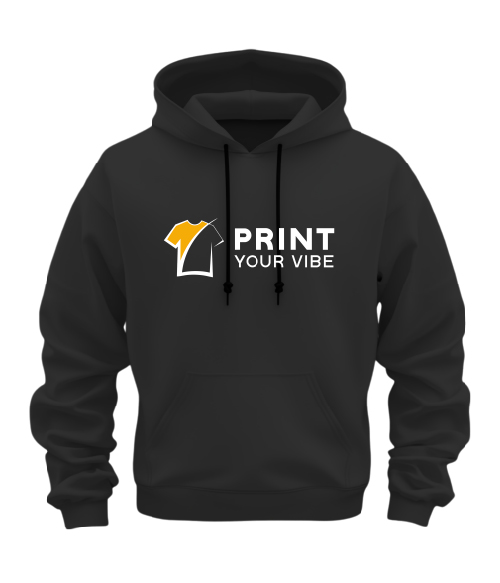








Choosing the right logo hooded sweatshirts helps businesses, clothing brands and organisations create consistent branded clothing. Whether you need company hoodies for employees, promotional merchandise for an event or custom logo hoodies to sell to customers, the right combination of fabric, fit, colour and logo application makes a difference.
However, not every hoodie is suitable for every purpose. A lightweight hoodie may be appropriate for everyday promotional wear, while a heavier garment may be preferable for cooler weather or regular outdoor use. Similarly, printed logos and embroidered designs offer different finishes.
This guide explains how to choose branded hoodies, compare customisation methods, select the right fabric weight and position your logo effectively.
What Are Logo Hooded Sweatshirts?
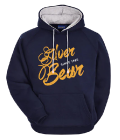
Logo hooded sweatshirts are hoodies customised with a company logo, brand name, graphic or other design. They combine the comfort of a hooded garment with visual branding, making them suitable for businesses, teams, clothing labels and individuals.
Unlike ordinary sweatshirts purchased without customisation, branded hoodies feature designs that represent a particular business, organisation or personal identity. Depending on the garment and artwork, the logo can be printed or embroidered in different positions.
Common uses include:
- Company uniforms: Branded clothing for staff, technicians and retail teams.
- Promotional merchandise: Custom hoodies for marketing campaigns and product launches.
- Event clothing: Matching garments for exhibitions, festivals and corporate events.
- Fashion merchandise: Branded hoodies designed for independent clothing labels.
- Team clothing: Personalised hooded sweatshirts for schools, sports clubs and community groups.
Custom logo hoodies can feature a small chest emblem, a large front graphic, a back print or sleeve branding. The best design depends on how the garments will be worn and how prominently the brand needs to appear.
Why Choose Logo Hooded Sweatshirts for Your Business?
Branded hooded sweatshirts offer a practical way to combine comfortable clothing with consistent brand presentation. Their suitability depends on your audience, intended use and overall branding strategy.
1. Improve Brand Visibility
A clearly positioned logo helps identify your business when employees or customers wear branded clothing. Consistent colours, typography and logo placement can also help create a recognisable visual identity across your merchandise.
For the best results, keep your artwork legible and choose a hoodie colour that provides sufficient contrast with the logo.
2. Create Comfortable Employee Uniforms
Company hoodies can form part of a workwear range for businesses that need casual, practical clothing. They may suit warehouse teams, delivery staff, creative agencies, retail employees and other workplaces where hooded garments are appropriate.
Consider fabric comfort, fit, washing requirements and the working environment before selecting a style.
3. Support Promotional Campaigns
Custom hooded sweatshirts can be used for product launches, promotional events, exhibitions and marketing campaigns. They provide an alternative to smaller promotional items when you want to offer branded clothing.
Before ordering, consider whether recipients are likely to wear the garment regularly and whether the chosen sizes and colours suit your target audience.
4. Develop Merchandise for Clothing Brands
For fashion entrepreneurs, branded hoodies can become part of a wider merchandise collection. A carefully selected garment, combined with suitable printing or embroidery, helps establish a consistent look across different products.
The hoodie’s fit, fabric weight and finishing details should complement your brand positioning.
5. Build Team Identity
Matching hoodies can help schools, clubs, organisations and event teams present a consistent appearance. Adding a logo, team name or event graphic can make the garments relevant to a specific group or occasion.
Popular Ways to Add a Logo to Hooded Sweatshirts
The three main options to consider are Direct-to-Film (DTF) printing, screen printing and embroidery. Each method has different characteristics, so your choice should depend on the artwork, garment fabric, order quantity, budget and intended use.
DTF Printing
Direct-to-Film printing involves printing artwork onto a specialised film and transferring the design onto a garment using heat and pressure.
DTF is particularly useful for colourful artwork, illustrations, gradients and logos containing several colours. It can reproduce intricate designs without requiring a separate screen for each colour, making it worth considering for detailed branding.
Before choosing DTF, check that the hoodie fabric is compatible with the transfer process and that the design dimensions suit the garment.
If you want to explore this method, visit the DTF printing service.
Screen Printing
Screen printing transfers ink onto fabric through a prepared mesh screen. Different colours generally require separate screens, so the number of colours and the complexity of the artwork can affect preparation and production.
This method is worth considering for bold logos, lettering and graphics with clearly defined colours. It can be particularly practical for larger orders featuring consistent artwork, although the suitability and overall cost depend on the design and production requirements.
For example, a simple one-colour company logo may be more straightforward to screen print than an illustration containing numerous colours and gradients.
Discuss the artwork, garment colour and quantity with your printer before selecting this method.
Embroidery
Embroidery creates a logo using stitches sewn directly into the garment. It gives branded hoodies a textured finish that can suit company uniforms, team clothing and selected premium merchandise.
Small chest logos are a common application because they provide visible branding without dominating the garment. Embroidery can also be appropriate when you want a stitched finish rather than a printed graphic.
However, intricate artwork, tiny lettering and very fine lines may need simplifying before production. Stitching can also add weight and stiffness, particularly when a design is large or dense.
The fabric must be suitable for the embroidery process, and the design should be checked at its intended size.
You can learn more about custom embroidery services when comparing options for your branded clothing.
How to Choose the Right Hoodie for Your Logo
Selecting the right garment is just as important as choosing a customisation method. Consider the following factors before placing an order.
Fabric Composition and Comfort
Hoodies may be made from cotton, polyester or cotton-polyester blends. The exact composition influences how a garment feels, handles moisture, retains its shape and responds to care.
Cotton-rich fabrics may appeal to customers who prefer a soft, natural feel. Polyester blends can offer different performance and maintenance characteristics, depending on their construction.
Check the garment specifications rather than assuming that every hoodie made from the same fibre will perform identically.
Understand GSM and Fabric Weight
GSM stands for grams per square metre. It measures fabric weight and provides a useful indication of how substantial a material is.
As a general guide:
- Lower GSM: Often associated with lighter fabrics that may suit milder weather or layering.
- Medium GSM: Can provide a balance between everyday comfort and warmth.
- Higher GSM: Often associated with heavier fabrics that may feel more substantial.
GSM alone does not determine warmth, softness or durability. Fabric composition, construction, lining and fit also influence how a hoodie performs.
The best fabric weight depends on the climate, intended use and preferences of the people wearing the garment.
Choose the Right Fit
Hoodies are available in different fits, including regular, relaxed and oversized styles.
- Regular fit: A versatile option for employee uniforms and general promotional clothing.
- Relaxed fit: Offers a looser silhouette for casual everyday wear.
- Oversized fit: May suit contemporary streetwear brands and fashion-led merchandise.
For team orders, check the sizing chart and consider whether your audience prefers a standard or looser fit. If possible, review a sample before committing to a larger order.
Select a Suitable Colour
Your hoodie colour should work with your brand identity and make the logo easy to recognise.
A light-coloured logo may stand out on a dark hoodie, while a dark logo may work better on a lighter garment. However, some designs need additional adjustments to remain legible against different fabric colours.
Check the actual artwork against the proposed garment colour before production. Do not assume that a logo designed for a white background will automatically work well on black, navy or other coloured fabric.
Consider Durability and Intended Use
Think about how frequently the hoodie will be worn and washed.
Workwear may need to withstand regular use, while event merchandise might have different requirements. Select a suitable garment and follow the manufacturer's care instructions to help maintain its appearance.
Printing and embroidery also have different care requirements, so ask your printing team for guidance specific to the chosen method.
Set a Realistic Budget
Your budget should account for more than the blank hoodie. The customisation method, artwork complexity, order quantity, number of print positions and garment specifications can all affect the final cost.
Request a quote based on your actual requirements rather than comparing prices without checking what is included.
You can browse the available custom hoodie collection to explore garment options.
If you prefer a garment without a hood, consider custom sweatshirts as an alternative.
Where Should You Place a Logo on a Hoodie?
Logo placement affects visibility, appearance and the overall balance of your design. The best position depends on your branding style, logo dimensions and the intended wearer.
Left Chest
A small left-chest logo provides a subtle, professional appearance. It is often suitable for company uniforms, staff clothing and understated branded merchandise.
This position works particularly well for simple logos that remain legible at a smaller size.
Centre Chest
A centre-chest logo is positioned prominently on the front of the hoodie. It can suit company branding, club clothing and merchandise where the design should be immediately noticeable.
Check how the design sits in relation to the neckline, pocket and overall garment shape.
Large Front Print
A large front graphic offers more space for illustrations, slogans and detailed artwork. It may be appropriate for fashion merchandise, promotional campaigns and statement designs.
Make sure the graphic remains balanced and does not interfere visually with the kangaroo pocket or other garment features.
Back of the Hoodie
The back provides a larger area for brand names, slogans, illustrations or event graphics. It can also complement a smaller logo on the front.
Consider whether the hoodie will be worn under a coat or backpack, as these may cover part of the design.
Sleeve Placement
Sleeve logos offer an additional branding position. A company name, small emblem or short design may work well here, provided the artwork remains legible and the placement suits the sleeve shape.
Small Upper-Back Placement
A small logo below the neckline can provide a subtle alternative to prominent front branding. It may complement another logo position or suit a minimalist design.
Before production, review the artwork proof and confirm the logo dimensions and placement. Check that the design is centred correctly, remains clear at the intended size and avoids seams, pockets and other garment features.
Are Printed or Embroidered Hoodies Better?
Neither printing nor embroidery is universally better. The right method depends on your logo, preferred finish, garment fabric, budget and order requirements.
| Customisation method | Best suited for | Main considerations | Typical design suitability |
|---|---|---|---|
| DTF printing | Colourful logos, illustrations and detailed graphics | Transfer compatibility, design dimensions and fabric suitability | Multicolour artwork, gradients and fine visual detail |
| Screen printing | Bold branding and designs with defined colours | Screen preparation, colour count and production quantity | Simple logos, lettering and solid-colour graphics |
| Embroidery | Textured branding and selected workwear applications | Stitch detail, fabric thickness and design complexity | Simple logos, emblems and lettering that remain clear when stitched |
DTF printing may be a suitable option when your logo contains several colours or intricate details. Screen printing is worth considering for bold graphics and orders with consistent designs. Embroidery can be appropriate when you prefer a stitched finish for uniforms or selected branded merchandise.
The best choice is the method that reproduces your artwork effectively on the garment you have selected.
If you are unsure, ask your printer to assess the logo file and recommend an appropriate method before production.
How to Order Custom Logo Hooded Sweatshirts in London
Ordering branded hoodies becomes easier when you confirm the key specifications before production begins.
Step 1: Define the Purpose
Decide whether the hoodies are for staff uniforms, promotional events, retail merchandise, school groups or personal use.
Your intended purpose will help determine the appropriate garment, fit, fabric weight and branding style.
Step 2: Select the Hoodie Style and Colour
Choose a garment that suits your audience and brand identity. Consider fabric composition, GSM, available sizes and colour options.
Explore the hoodie collection to review the available options.
Step 3: Prepare a High-Quality Logo File
Use a clear, high-resolution logo file. Vector formats such as SVG, AI or EPS are useful for many print and embroidery workflows, although the accepted formats depend on your provider.
If your logo includes fine text, thin lines or complex details, tell the printing team how large you want the finished design to be.
Step 4: Choose the Customisation Method
Compare DTF printing, screen printing and embroidery based on the artwork and garment. Ask for advice if you are unsure which option will reproduce your logo most effectively.
Step 5: Confirm Sizes, Quantities and Placement
Prepare a size breakdown and confirm the number of garments required in each size and colour. Specify whether the logo should appear on the chest, back, sleeve or another position.
If you need multiple designs, make sure the requirements for each garment are clearly documented.
Step 6: Review the Artwork Proof
Check the logo's size, position, colour and proportions before approving production. Confirm the garment specifications, customisation method, agreed quantity, costs and expected completion arrangements.
Clarifying these details in advance can help reduce avoidable mistakes.
Step 7: Contact Your Printing Team
For businesses seeking custom hoodie printing in London, Print Your Vibe provides a relevant option to explore for branded clothing requirements.
Share your logo, preferred hoodie style, quantity and intended use when making an enquiry. This information helps the team understand your requirements and discuss suitable options.
To discuss your project, contact Print Your Vibe.
Frequently Asked Questions
1. What Are the Best Logo Hooded Sweatshirts for Businesses?
The best logo hooded sweatshirts depend on your workplace, budget and branding requirements. Consider fabric composition, GSM, fit, colour and how frequently the garments will be worn. A simple embroidered chest logo may suit staff uniforms, while a printed design may be more appropriate for colourful promotional merchandise or clothing brand graphics.
2. Is DTF Printing or Embroidery Better for Hoodie Logos?
DTF printing is often suitable for multicolour artwork, gradients and detailed graphics. Embroidery creates a stitched, textured finish that can suit simple logos and selected workwear applications. Neither method is automatically better. The right option depends on the design, garment fabric, logo size and appearance you want to achieve.
3. Where Should a Logo Be Placed on a Hooded Sweatshirt?
Common logo positions include the left chest, centre chest, full front, back, sleeve and upper back. A small chest logo can provide subtle branding, while a large front or back design offers greater visual prominence. Check the garment's shape, pockets, seams and logo dimensions before confirming the final placement.
4. What Fabric Weight Is Best for Branded Hoodies?
There is no single ideal GSM for every branded hoodie. Lightweight fabrics may suit layering or milder weather, while heavier fabrics can provide a more substantial feel. Consider the intended use, climate, fabric composition and fit. Always review the garment specifications rather than selecting a hoodie based on GSM alone.
5. Can You Print a Full-Colour Logo on a Hoodie?
Full-colour logos can be reproduced using suitable garment printing methods, including DTF printing. The result depends on the artwork, garment colour, fabric compatibility and production process. Provide a high-quality logo file and confirm the intended print size with your printing team before approving the design.
6. How Do I Order Custom Logo Hooded Sweatshirts in London?
Start by selecting your hoodie style, colour, sizes and quantity. Prepare your logo file, decide on the preferred print or embroidery method, and confirm the design placement. Review the artwork proof and production details before approval. You can then contact Print Your Vibe to discuss your custom hoodie requirements.
Final Thoughts
Choosing the best logo hooded sweatshirts involves balancing garment quality, comfort, fabric weight, fit and branding. The right printing or embroidery method should complement your logo rather than compromise its clarity.
For businesses, clothing brands and organisations, planning the design and confirming production details before ordering can help create branded clothing that meets its intended purpose.
If you are planning a new branded clothing range or need hoodies for your team, explore the Print Your Vibe hoodie collection or contact the team to discuss your requirements.