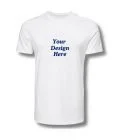
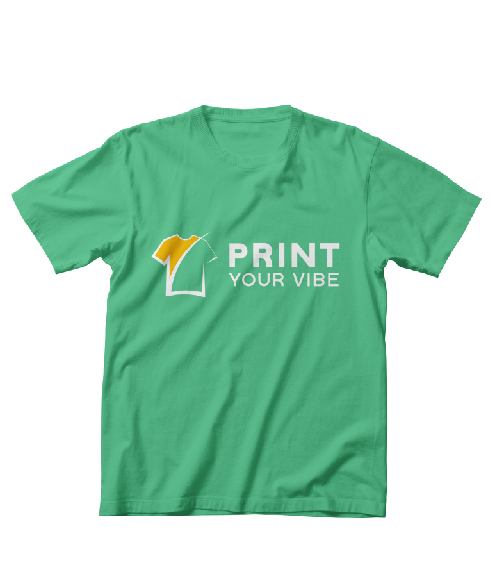
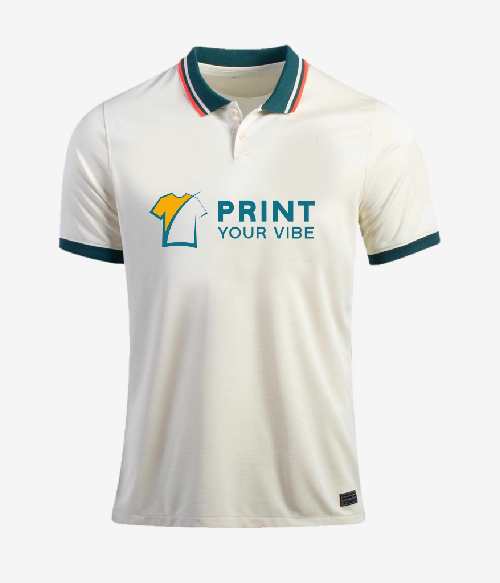
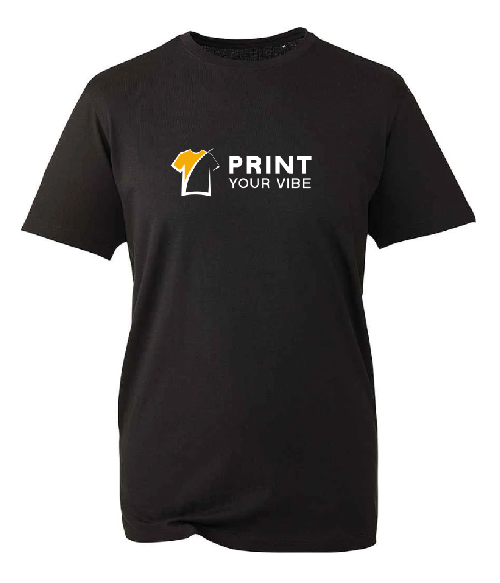
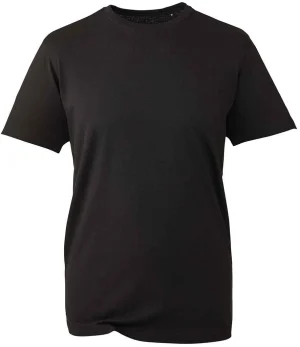
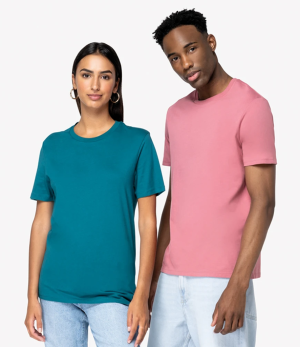
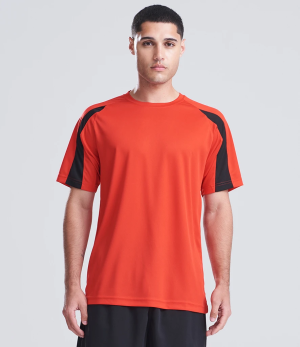
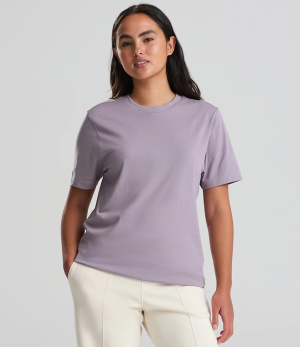
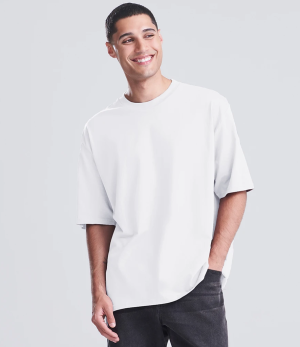
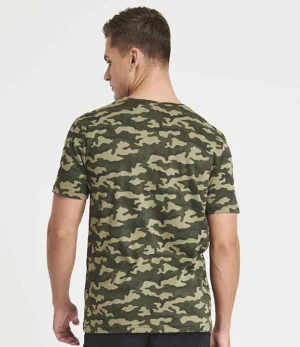
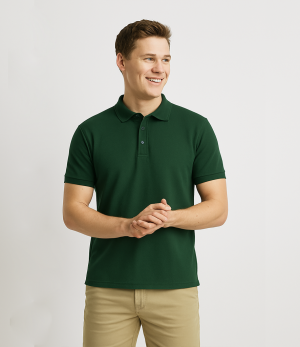
Custom t-shirt printing turns a blank garment into a branded uniform, an event giveaway, or wearable merchandise — and the right printing method, fabric, and supplier affects how it looks, how long it lasts, and what it costs per unit.
Print Your Vibe prints and embroiders custom t-shirts from our London base, with UK-wide delivery to England, Scotland, Wales, and Northern Ireland, serving businesses, schools, sports clubs, event organisers, and individuals ordering anything from a single tee to a bulk uniform run.
This guide explains each printing method, what drives the price, how to choose the right garment and file type, and what to expect when ordering — so you can make a decision that suits your budget, quantity, and design.
What Is Custom T-Shirt Printing?
Custom t-shirt printing is the process of applying a design, logo, photo, or text to a garment using one of several techniques — direct-to-garment (DTG), direct-to-film (DTF), screen printing, vinyl, or embroidery. Each method suits different order sizes, artwork styles, and fabric types, which is why a supplier offering multiple methods can match the print to the job instead of forcing every order through the same process.
Branded clothing is one of the more cost-effective forms of long-term advertising because a printed tee gets worn repeatedly, generating impressions well beyond the point of sale — a point the British Promotional Merchandise Association has made in its research on promotional apparel. For businesses, that means staff uniforms and event merchandise doing ongoing marketing work rather than a one-off campaign.
Why Custom T-Shirts Are Popular in the UK
Businesses, schools, sports clubs, and event organisers rely on custom tees for a handful of practical reasons, not just style:
- Affordable brand promotion — once someone’s wearing your branded shirt, it’s advertising your name every time they leave the house, at no extra cost per impression.
- Team identity and professionalism — matching uniforms make staff instantly recognisable and give sports teams a proper kit rather than a mismatched set of tops.
- Event visibility — identical tees at a fun run, festival stall, or trade show make a group easy to spot and remember.
- Personal and fashion use — one-off custom designs make distinctive gifts or small fashion runs that off-the-shelf clothing can’t match.
T-Shirt Printing Methods Explained: Which One Should You Choose?
The method matters more than most buyers realise — it affects print durability, feel against the skin, colour vibrancy, and cost per unit. Here’s how each one works and where it fits.
DTG (Direct to Garment)
Prints ink directly into the fabric, like an inkjet printer. Handles photo-quality detail and gradients with a soft handfeel. Best on 100% cotton, low-to-medium quantities — no setup cost per design.
DTF (Direct to Film)
Prints onto film, then heat-transfers onto the garment. Vibrant, durable colour that works on cotton, polyester, and blends, including dark garments — a strong default for mixed-fabric orders.
Screen Printing
Pushes ink through a mesh stencil, one colour at a time. Has a per-design setup cost, so it’s uneconomical for one or two shirts, but cost per unit drops sharply at volume.
Embroidery
Stitches the design in thread for a raised, premium finish. Standard for polos, workwear, and caps, and holds up better to repeated washing than printed methods.
Vinyl Printing
Heat-presses cut vinyl onto the garment. Clean and cost-effective for simple designs, single-colour logos, and personalised names or numbers on sportswear.
Buying advice: Choose DTF for durability across multiple fabric types and small-to-medium runs. Choose DTG when the artwork is highly detailed or photographic and you’re printing on cotton. Choose screen printing once quantities climb into the dozens or hundreds with a handful of solid colours. Choose embroidery for anything that needs to survive frequent washing and look professional, such as staff uniforms. Unsure? Tell us the fabric, quantity, and artwork style and we’ll recommend the method rather than default you to whichever is easiest to run.
For a closer look at how each technique works and what it costs, see our dedicated DTF printing, screen printing, and embroidery services pages.
Comparing Print Methods at a Glance
| Method | Best For | Durability | Notes |
|---|
| Screen Printing | Large runs, simple 1–4 colour designs | High (50+ washes) | Lowest cost per unit at volume; setup cost per colour |
| DTG | Detailed, full-colour art on cotton, low volumes | Good | Soft, embedded print; minimal setup, easy for one-offs |
| DTF | Vibrant multicolour designs on any fabric | High | Works on cotton, polyester, blends; consistent colour |
| Vinyl | Names, numbers, small batches, simple logos | Moderate | Hand-cut per design, so cost per shirt stays higher at volume |
| Embroidery | Logos on polos, caps, jackets, workwear | Excellent | No fade, peel, or crack; higher setup for digitising |
How Much Does Custom T-Shirt Printing Cost in the UK?
Price depends on garment quality, print method, design size and number of colours, and order quantity — bulk orders reduce the price per shirt because setup costs, especially for screen printing, are spread across more units.
| Product Type | Key Features | Estimated Price |
|---|
| Budget Printed T-Shirts | 100% cotton or polyester, DTF printing, suited to events and promotions | £12.50–£15.00 |
| Premium Organic T-Shirts | Heavyweight 215–220 GSM organic cotton, premium DTF printing | £18.00–£25.00 |
| Bulk Merch Printing | Screen printing for large-quantity orders — businesses, schools, teams, events | From £7.00 per shirt |
| Oversized Printed Tees | Streetwear-weight garments for fashion brands and merchandise | From £20.00 |
| Embroidered Workwear | Premium embroidered uniforms and branded staff clothing | From £22.00 |
Prices vary with garment type, print size, quantity, and turnaround. If you need an exact quote, contact us with the garment, design, and quantity and we’ll price it properly rather than estimate.
Choosing the Right Fabric and Fit
The garment matters as much as the print method. A few things worth knowing before you order:
- Cotton takes DTG and DTF printing well and feels softer against the skin, but shrinks slightly on first wash if not pre-shrunk.
- Polyester and poly-blends are more durable for sportswear and outdoor events but need DTF rather than DTG, since DTG ink doesn’t bond well to synthetic fibres.
- Fabric weight (GSM) ranges from lightweight everyday tees (around 160–180gsm) through midweight cotton (around 200gsm) to premium organic cotton (215–220gsm) and heavier streetwear-style garments (240gsm+). Heavier weights hold prints and embroidery better over repeated washing — worth the upgrade for uniforms worn weekly.
- Dark garments need a white ink underbase for DTG or DTF, which can affect both cost and how vivid lighter colours in the design appear.
If you’re ordering staff uniforms that need to last a year of regular washing, that’s a different brief to a one-off event tee — tell us which it is and we’ll steer you towards the right fabric and method.
Who Orders Custom Printed T-Shirts
- Businesses and startups — staff uniforms and branded merchandise, usually prioritising durability and a consistent look across sizes.
- Schools and universities — society and event t-shirts, usually screen-printed in bulk for cost efficiency.
- Sports clubs and teams — kits and event shirts, often needing individual names or numbers via vinyl printing.
- Charities and campaigns — awareness and fundraising tees, typically ordered in bulk with a single bold design.
- Event organisers — giveaways and staff/crew shirts, usually on a tighter turnaround.
- Fashion and streetwear brands — smaller runs on premium or oversized garments, where print quality and garment weight matter more than unit cost.
- Individuals — birthdays, family events, or personalised one-off gifts, where DTG or DTF makes single-unit printing viable.
The right printing method and garment differ across these categories — a charity ordering 200 bulk tees has a different priority (cost per unit) to a fashion brand ordering 20 premium pieces (print quality and garment feel).
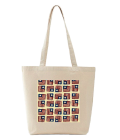
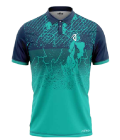
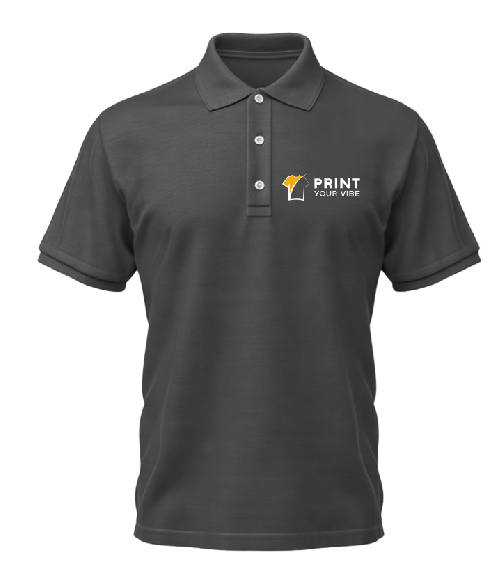
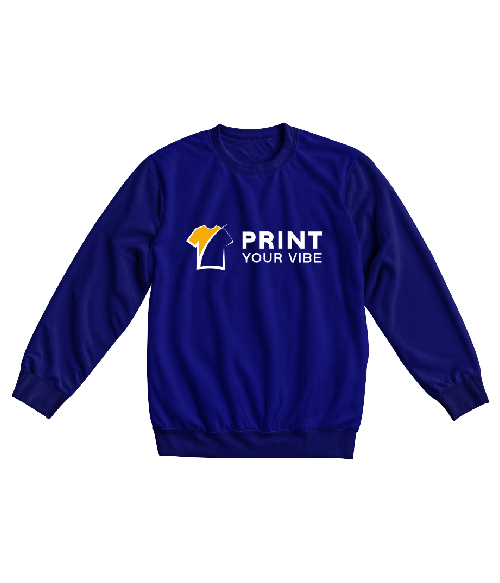
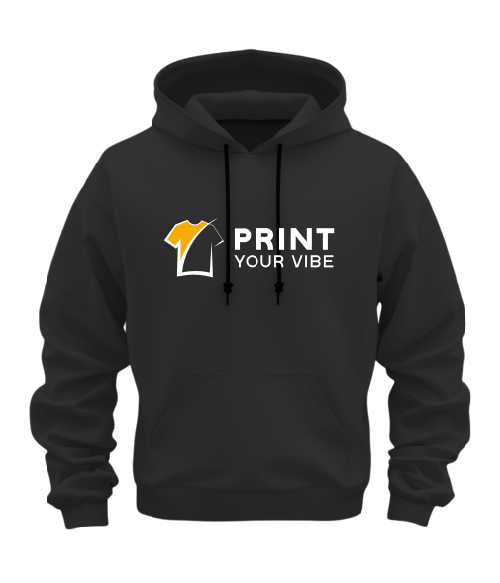
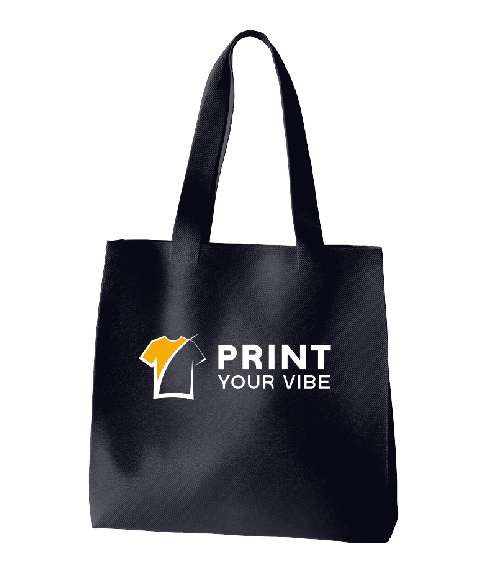
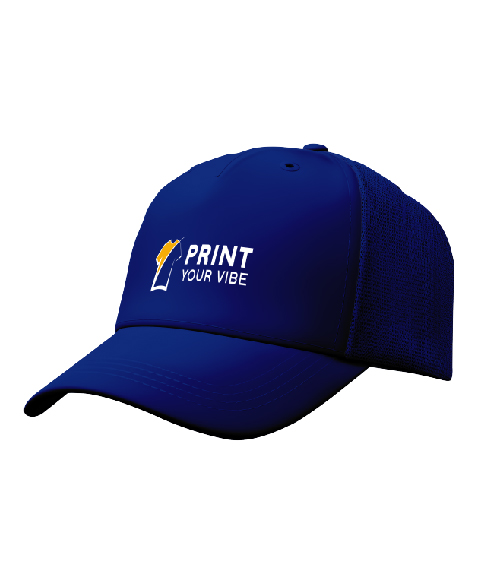
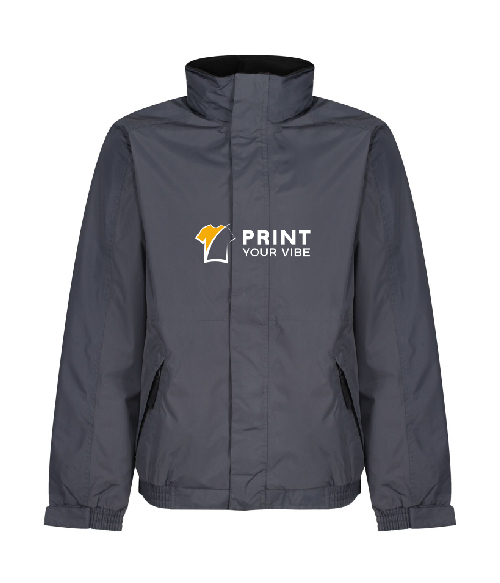
Many customers order t-shirts alongside other branded apparel for the same team or event. If you need warmer layers, we also offer hoodie printing and sweatshirt printing, plus polo shirt printing for a smarter uniform look. For extra merchandise or giveaways, tote bag printing and cap printing both use the same artwork file, so there’s no need to redo your design. We also cover jackets and gilets, hi-vis workwear, and general corporate uniform printing if your team needs matching kit beyond t-shirts.
How to Order Custom T-Shirts Online
From upload to delivery, here’s exactly what happens after you place your order.
01
👕
Choose Your Garment
Pick colour, size range, fabric, and fit from our full catalogue of t-shirts.
02
📤
Upload Your Artwork
Send logos, photos, slogans, or custom designs. PNG with a transparent background works best for logos; high-res PDF, AI, SVG, or EPS for larger designs. Not sure it’s print-ready? We’ll check before running the job.
03
🖨️
We Select the Method
Based on your quantity and design complexity, or ask us to recommend DTF, DTG, screen printing, vinyl, or embroidery.
04
🚚
Receive Your Order
UK-wide delivery on every order, with selected same-day printing available for London customers.
Custom T-Shirt Printing in London, With UK-Wide Delivery
Print Your Vibe is based in Poplar, at 270 Teviot Street, London E14 6QS, serving Stratford and East London directly, with same-day printing available on selected products for local customers. We’re also close to Bow, Canary Wharf, and Limehouse, and offer same-day printing in Blackwall for urgent local orders. If you’re after a print shop in Central London, we deliver and collect across the wider city too. Beyond London, we deliver custom-printed and embroidered garments across the UK, including Manchester, Birmingham, Leeds, Liverpool, Bristol, and other cities, through standard online ordering.
If you’re searching for “t-shirt printing near me,” that usually means you want fast turnaround, reliable delivery, and someone easy to reach if something needs changing before the run is printed — all of which apply whether you’re ordering from our East London base or anywhere else in the UK.
Why Choose Print Your Vibe
- Multiple print methods (DTG, DTF, screen printing, vinyl, embroidery) matched to your garment and quantity, rather than a one-size-fits-all process
- No minimum order on selected products, alongside competitive bulk pricing for larger runs
- Premium garment options with professional finishing, plus budget ranges for cost-sensitive orders
- Fast UK-wide delivery, with selected same-day printing in London
- Direct support for logo, artwork, and text-based designs, including file checks before printing
We work with businesses, clothing brands, schools, gyms, restaurants, event organisers, and individual customers across London and the wider UK.
Frequently Asked Questions
How much does custom t-shirt printing cost in the UK?
Cost depends on garment type, print method, design size, and quantity. Bulk orders reduce the price per shirt — screen-printed bulk runs can start from around £7 per shirt, while small-run DTF prints typically sit between £12.50 and £25 depending on the garment.
Which printing method is best for t-shirts?
DTG suits detailed, full-colour artwork on cotton. DTF works across cotton, polyester, and blends, and holds up well over time. Screen printing is most cost-effective for bulk orders with simple designs. Embroidery gives the most premium, wash-durable finish for logos on workwear.
Do you offer same-day t-shirt printing in London?
Yes, on selected products, depending on order size and design complexity. Contact us to check same-day availability for your specific order.
Can I order just one personalised t-shirt?
Yes. DTG and DTF both make single-unit orders viable, since there’s no setup cost per design, unlike screen printing.
Is there a minimum order quantity?
No minimum order applies on selected products, though screen printing and embroidery become more cost-effective at higher volumes due to setup costs.
What file format is best for custom t-shirt printing?
PNG files with a transparent background work best for logos and artwork. High-resolution PDF, AI, SVG, or EPS files are recommended for larger or more detailed designs, since they scale without losing quality.
Do you print custom t-shirts outside London?
Yes. We deliver UK-wide, including Manchester, Birmingham, Leeds, Liverpool, Bristol, and other locations, through online ordering.
How long does delivery take?
Turnaround depends on print method, order size, and garment availability. Simple small orders are typically faster than bulk screen-printed or embroidered runs, which need setup time. Contact us for a turnaround estimate on your specific order.
How do I care for my custom-printed t-shirts?
Wash printed garments inside-out on a cool cycle (40°C or below), and tumble dry on low or hang dry. Avoid ironing directly over the print. DTG, DTF, and screen prints hold up well over many washes with this care; embroidered logos can be machine-washed normally.
Can I order blank, unprinted t-shirts only?
Yes. If you need blank garments for an in-house project, we can supply unprinted stock as well as the full print service. Let us know whether you want shirts only or shirts plus printing, and we’ll quote accordingly.
Can I see a mockup before ordering?
Yes, we can put together a digital mockup showing your design on the actual garment before you commit to a full order. Mention that you’d like a mockup when you send over your artwork and quantity.
What’s the difference between DTG and DTF printing?
DTG sprays ink directly into the fabric, giving a soft, breathable finish that’s best on 100% cotton. DTF prints onto a film first, then heat-presses onto the garment, which means it works reliably across cotton, polyester, and blends, including dark fabrics. DTG suits detailed cotton designs and small orders; DTF suits mixed-fabric orders where durability across materials matters more.
What types of designs can I print?
Photos, gradients, artwork, text, logos, slogans, and numbers all print well with the right method. We can’t reproduce copyrighted material you don’t own, but original designs and licensed artwork you have permission to use are fine.
Need Same Day Custom T Shirt Printing?
Garment, print method, quantity, and deadline all affect price, so rather than a generic instant quote that’s often wrong by the time you actually order, email us the real details and we’ll put together a proper quotation for your job specifically.
Send over your artwork or logo, garment type, quantity, sizes, colours, and your deadline, and our team will get back to you with a personalised quote as quickly as possible.
Call Now
Get Your Quote